Curriculum · History
History Odyssey
Study guides written to the student that join secular world history readings and literature with outlines, summaries, maps and timelines.
- Grades 5–12
- More from Pandia Press
Choose a level
Grades are a guide. Not sure? Ask us what to buy.
Grade and level don’t always match. Choose by what your child is working on now.
- World history from the earliest civilizations to about 500 CE, among them Egypt, Mesopotamia, Greece and Rome, with literature, mapwork and timeline entries; the publisher places it at grades 5 to 8.Ancients · Grades 5–8
- About 250 CE to the mid-1500s: the Byzantine and Ottoman empires, the Crusades, the Black Death, feudal Japan, the Aztec and Inca empires, the Renaissance and the Reformation; the publisher places it at grades 6 to 9.Middle Ages · Grades 6–9
- About 1600 to 1850, in two units: trade and rebellion, then the American, French and Latin American revolutions, alongside the Agricultural, Scientific and Industrial Revolutions; the publisher places it at grades 6 to 10.Early Modern · Grades 6–10
- From 1850 to the present: imperialism, nationalism, both World Wars, the Cold War and the civil rights and environmental movements. It builds on the essays of the earlier courses. The publisher places it at grades 7 to 12.Modern Times · Grades 7–12
Grades 5–8Ancients
World history from the earliest civilizations to about 500 CE, among them Egypt, Mesopotamia, Greece and Rome, with literature, mapwork and timeline entries; the publisher places it at grades 5 to 8.1 title · $49.29
- $49.2915% off list $57.99

About this level: World history from the earliest civilizations to about 500 CE, among them Egypt, Mesopotamia, Greece and Rome, with literature, mapwork and timeline entries; the publisher places it at grades 5 to 8.
Ready for more? Middle Ages (grades 6–9) comes next.
Grades 6–9Middle Ages
About 250 CE to the mid-1500s: the Byzantine and Ottoman empires, the Crusades, the Black Death, feudal Japan, the Aztec and Inca empires, the Renaissance and the Reformation; the publisher places it at grades 6 to 9.1 title · $49.29
- $49.2915% off list $57.99

About this level: About 250 CE to the mid-1500s: the Byzantine and Ottoman empires, the Crusades, the Black Death, feudal Japan, the Aztec and Inca empires, the Renaissance and the Reformation; the publisher places it at grades 6 to 9.
Need to start earlier? Ancients (grades 5–8) comes before. Ready for more? Early Modern (grades 6–10) comes next.
Grades 6–10Early Modern
About 1600 to 1850, in two units: trade and rebellion, then the American, French and Latin American revolutions, alongside the Agricultural, Scientific and Industrial Revolutions; the publisher places it at grades 6 to 10.1 title · $49.29
- $49.2915% off list $57.99

About this level: About 1600 to 1850, in two units: trade and rebellion, then the American, French and Latin American revolutions, alongside the Agricultural, Scientific and Industrial Revolutions; the publisher places it at grades 6 to 10.
Need to start earlier? Middle Ages (grades 6–9) comes before. Ready for more? Modern Times (grades 7–12) comes next.
Grades 7–12Modern Times
From 1850 to the present: imperialism, nationalism, both World Wars, the Cold War and the civil rights and environmental movements. It builds on the essays of the earlier courses. The publisher places it at grades 7 to 12.1 title · $49.29
- $49.2915% off list $57.99

About this level: From 1850 to the present: imperialism, nationalism, both World Wars, the Cold War and the civil rights and environmental movements. It builds on the essays of the earlier courses. The publisher places it at grades 7 to 12.
Need to start earlier? Early Modern (grades 6–10) comes before.
For every level
You'll use these with every level of History Odyssey.
- Student
History Odyssey Timeline
$36.5415% off list $42.99

Optional · not needed to finish the level
- $12.7415% off list $14.99
About History Odyssey
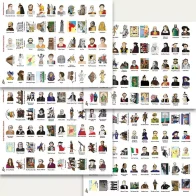
History Odyssey is Pandia Press's four-part secular world history series, Level 2, for grades 5 through 12: Ancients, Middle Ages, Early Modern and Modern Times. Each study guide is a year-long plan that joins history readings with literature, mapwork, timeline entries, outlines and written summaries. The guides speak directly to the student in clear, concise language, and students can work through most lessons independently. Religious beliefs appear as sources and perspectives within each culture's story. Any course can stand alone, and the writing and thinking asked of students grow with each period, and Modern Times builds on the essays practiced earlier.
Who it fits
- Worldview
- Secular
- Approach
- Classical
- Learning style
- Visual
- Parent involvement
- Independent